How to help sensitive teeth after teeth whitening?
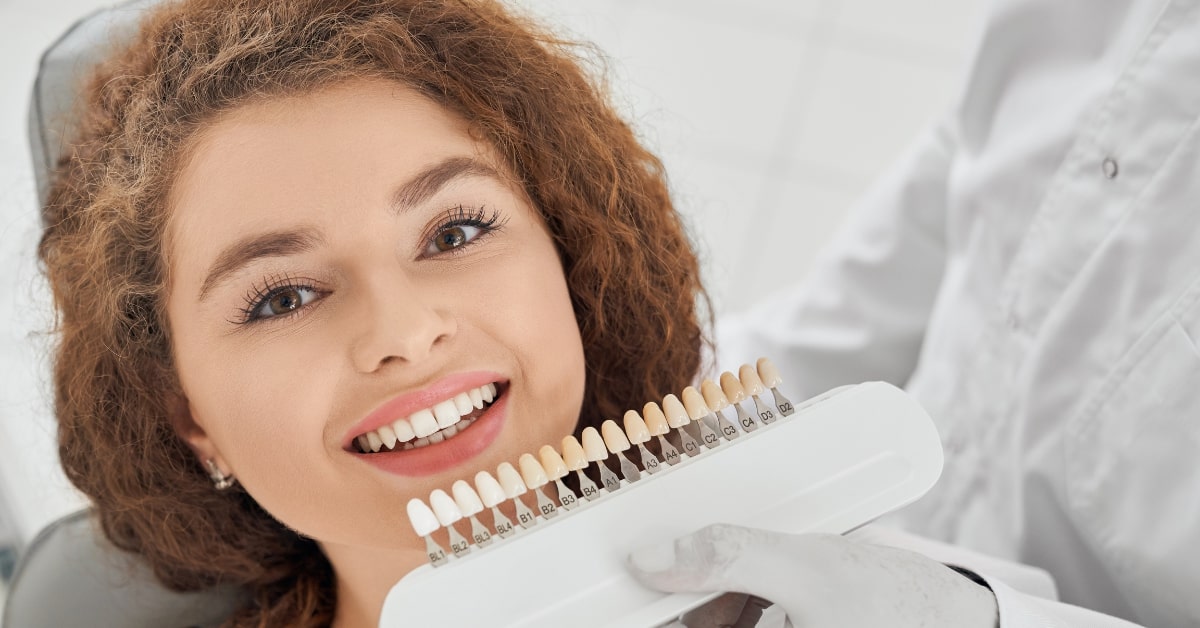
We as a dental center often see patients who love their brighter smile after teeth whitening in Kenner but are surprised by the temporary sensitivity that can follow. This sensitivity is common and usually short-lived, yet it can make eating and drinking less enjoyable for a few days. Led by Dr. Reza Edalati, a respected prosthodontist known for his meticulous approach and personalized care, our team at Precision Dental and Implant Center helps patients manage this discomfort quickly and effectively. With the right care, you can enjoy your whiter smile without worrying about lasting sensitivity.
Why Sensitivity Happens After Whitening
Teeth whitening treatments work by using bleaching agents like hydrogen peroxide or carbamide peroxide to break down stains. In the process, these agents temporarily open microscopic pores in your enamel, exposing the dentin layer underneath. This is what can trigger that sudden twinge or lingering ache when you drink hot coffee or bite into ice cream. The best part is that this sensitivity typically doesn’t last long and can be eased with a few easy steps.
Our Approach for Teeth Whitening in New Orleans
At Precision Dental and Implant Center, Dr. Reza Edalati leads our team with a focus on patient comfort as well as results. As a prosthodontist, his advanced training covers not just cosmetic treatments but also the functional and long-term health of your teeth. This means we approach whitening treatments with an emphasis on minimizing discomfort before, during, and after the procedure. Each smile is different, so we customize every treatment to fit your individual needs. Our goal is to give you a brighter smile while keeping the experience as comfortable as possible.
Immediate Steps to Reduce Sensitivity
- Use a soft-bristled toothbrush: Hard bristles can irritate enamel further.
- Switch to lukewarm water: Extreme temperatures can trigger discomfort.
- Avoid acidic foods: Citrus and vinegar can make sensitivity worse.
- Use desensitizing toothpaste: Look for formulas with potassium nitrate.
Foods and Drinks to Avoid Temporarily
After whitening, your teeth are slightly more porous, so avoiding certain items helps reduce sensitivity and prevent staining. Skip very hot or cold drinks, tomato-based sauces, dark berries, wine, coffee, and soda for at least 48 hours. Opt for softer, room-temperature foods like scrambled eggs, yogurt, or pasta with light sauces. This gives your enamel time to rehydrate and strengthen. Following these guidelines helps your whitening results last longer.
Products That Can Help Soothe Teeth
Plenty of over-the-counter products can help ease tooth sensitivity after whitening.
- Desensitizing toothpaste (Sensodyne, Colgate Sensitive)
- Fluoride mouth rinses to strengthen enamel
- Gel trays with potassium nitrate for targeted relief
Your dentist can also apply a professional-grade fluoride varnish for extra protection.
Table: Sensitivity Levels and Recommended Actions
| Sensitivity Level | Description | Recommended Action |
|---|---|---|
| Mild | Occasional twinge with cold drinks | Use desensitizing toothpaste twice daily |
| Moderate | Discomfort with hot/cold foods and drinks | Avoid triggers, use fluoride rinse, soft brush |
| Strong | Lingering pain even at rest | Contact dentist for professional treatment |
| Severe | Intense pain or sensitivity lasting over a week | Immediate dental evaluation to rule out issues |
How Long Sensitivity Usually Lasts
For most patients, their teeth feel normal again within 24–72 hours. For a small percentage, mild sensitivity can linger for up to a week. If discomfort lasts longer than that, it’s worth checking in with your dentist to make sure nothing else is going on. Acting early can help you avoid more serious dental problems. It also ensures you can keep enjoying your brighter smile without unnecessary pain.
Preventing Sensitivity Before Whitening
We often recommend patients use desensitizing toothpaste for a week before their whitening appointment. This helps “prep” the nerves inside your teeth. In some cases, Dr. Edalati may suggest spacing out whitening treatments or using a lower concentration of whitening gel for sensitive patients. These small adjustments can make a big difference in your comfort level. They also help ensure you get great results without unnecessary sensitivity.
When to Contact Your Dentist
- You should contact your dentist if you experience sharp, severe pain.
- You should also reach out if you notice swelling of the gums or face.
- If tooth sensitivity lasts more than a week, it’s important to get it checked.
- Visible damage to the enamel is another reason to schedule an appointment.
- Early intervention can prevent small issues from turning into bigger problems.
According to a source, Teeth whitening has become more and more popular over the last 5 to 15 years. In just one year, over 37 million Americans were estimated to have used a whitening product. Over 90% of people who choose professional in-office whitening report being satisfied with the results. So, teeth whitening in Kenner can be a great experience if you remember a few simple tips.
People Also Ask
Can I brush my teeth after whitening?
Yes, but opt for a soft-bristled toothbrush and light pressure to prevent irritation. This helps protect your enamel while your teeth are more sensitive. Pairing it with a toothpaste for sensitive teeth can make brushing even more comfortable.
Can I drink coffee after whitening without pain?
Wait at least 48 hours, then drink it lukewarm and through a straw to minimize contact with teeth. This reduces both sensitivity and the risk of new stains forming. It’s a simple trick that lets you enjoy your coffee without undoing your whitening results.
Are there whitening methods that cause less sensitivity?
Yes, in-office treatments with custom gel concentrations and protective barriers can reduce the risk. These methods allow us to whiten your teeth effectively while keeping sensitivity to a minimum. It’s a safer and more comfortable option for patients with sensitive teeth.
Does enamel grow back after whitening?
No, but enamel can remineralize with fluoride treatments, which helps strengthen it. This process can make teeth more resistant to sensitivity over time. Regular professional care supports long-term enamel health.
Can sensitive teeth still be whitened safely?
Yes, but your dentist may use lower-strength gels or spread treatments out over multiple sessions. This approach helps protect your teeth while still achieving noticeable whitening. It’s all about balancing great results with your comfort.

Related posts


Popular Posts

Do You Need a Dental Crown? Types, Cost, and What to Expect