Broken Dental Fillings: What You Need to Know
Quick Overview
Broken Teeth Fillings are more common than people think. They can cause pain, sensitivity, and even more serious dental problems if left untreated. At Precision Dental and Implant Center, Dr. Reza Edalati, a respected prosthodontist recognized for his meticulous work and commitment to personalized treatment, heads the team and helps patients manage and repair broken fillings. This blog will explain causes, signs, treatment options, and preventive tips to keep your smile healthy.
Table of Contents
- Introduction to Broken Dental Fillings
- Causes of Broken Teeth Fillings
- Recognizing Cracked Filling Symptoms
- Treatment Options for Broken Fillings
- Tooth Fillings for Broken Teeth: Materials and Methods
- Prevention and Maintenance
- Cost and Insurance Considerations
- Concluding words
- People Also Ask
Introduction to Broken Dental Fillings
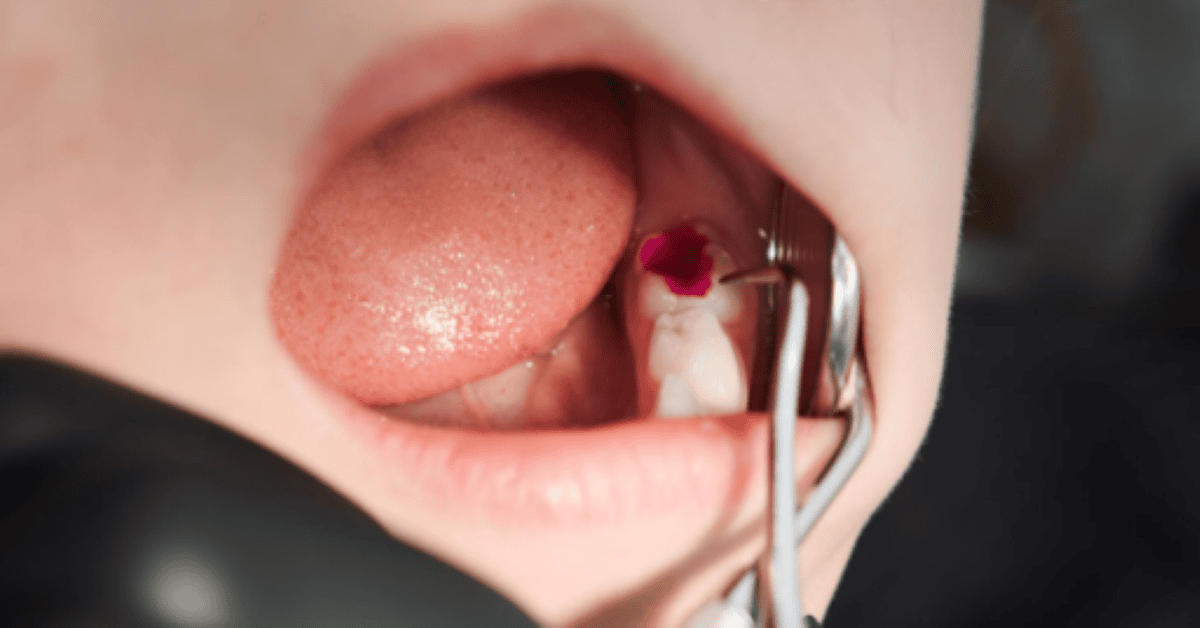
Dental fillings are designed to repair teeth affected by decay or damage. However, over time, fillings can break or crack due to chewing forces, temperature changes, or simply age. Broken dental fillings can cause discomfort, sensitivity, and increase the risk of further decay. Dr. Reza Edalati and his team at Precision Dental and Implant Center specialize in diagnosing and treating broken fillings efficiently, ensuring patients regain both function and comfort.
Causes of Broken Teeth Fillings
Several factors can lead to broken fillings. Common causes include:
- Chewing Hard Foods: Ice, hard candy, or nuts can crack fillings.
- Teeth Grinding: Habitual grinding or clenching can weaken and fracture fillings over time.
- Aging Fillings: Fillings naturally wear down and become prone to breaking.
- Large Fillings: Bigger fillings bear more pressure, increasing the risk of cracks.
- Poor Oral Hygiene: Decay around fillings can cause structural failure.
According to a source, every year, about 175 million dental fillings are placed. A considerable percent of adults experience issues with their dental fillings over a 10-year period, making regular check-ups essential.
Recognizing Cracked Filling Symptoms
Not all broken fillings cause immediate pain. Recognizing Cracked filling symptoms early can prevent further damage. Common signs include:
| Symptom | Description |
| Sensitivity | Pain or discomfort when eating hot, cold, or sweet foods |
| Sharp Edges | Feeling a jagged edge on the tooth with your tongue |
| Visible Cracks | Noticeable fractures or gaps in the filling |
| Discomfort While Chewing | Pain when biting or chewing certain foods |
| Discoloration | Dark spots or discoloration around the filling area |
Dr. Reza Edalati advises patients to seek dental care promptly if they notice any of these symptoms. Early treatment can save the tooth and prevent more invasive procedures.
Treatment Options for Broken Fillings
Treatment depends on the extent of the damage. Options include:
- Replacing the Filling: Small cracks or chips are often treated by removing the old filling and placing a new one.
- Dental Crowns: For larger or extensively damaged teeth, crowns provide extra protection and strength.
- Root Canal Therapy: If decay or infection reaches the tooth nerve, a root canal may be necessary before restoring the tooth.
- Extraction: Rarely, if the tooth is severely damaged, extraction may be the only option.
What to Do If You Have a Cracked Filling
At Precision Dental and Implant Center, Dr. Reza Edalati customizes the treatment plan for each patient, ensuring comfort, functionality, and a natural appearance.
Tooth Fillings for Broken Teeth: Materials and Methods
| Material | Advantages | Disadvantages |
| Composite Resin | Matches tooth color, minimally invasive | Can wear down faster than metal |
| Amalgam | Durable, long-lasting | Silver color, less aesthetic |
| Glass Ionomer | Releases fluoride, gentle on teeth | Less durable for chewing surfaces |
| Ceramic | Strong, natural appearance | More expensive |
Choosing the right material depends on the tooth location, bite pressure, aesthetic needs, and budget. Dr. Reza Edalati discusses all options with patients to help them make an informed decision.
Prevention and Maintenance
Preventing broken fillings involves proper care and habits:
- Brush twice daily with fluoride toothpaste
- Floss daily to remove plaque and food particles
- Avoid chewing ice, hard candy, or very sticky foods
- Wear a nightguard if you grind your teeth
- Attend regular dental check-ups every six months
Regular preventive visits allow Dr. Reza Edalati to detect small cracks before they become bigger problems. Good oral hygiene combined with professional care keeps your fillings and teeth strong.
Cost and Insurance Considerations
The cost of repairing broken fillings depends on the material used and the extent of damage. Small composite fillings are less expensive, while crowns or extensive repairs cost more. Many insurance plans cover preventive and restorative treatments, reducing out-of-pocket expenses. Patients are encouraged to consult with Precision Dental and Implant Center to review options and plan treatment according to their needs and budget.
Concluding words
Broken dental fillings are a common dental issue, but early detection and treatment can prevent pain and further damage. symptoms and seeking timely care is essential. At Precision Dental and Implant Center, Dr. Reza Edalati and his team provide personalized solutions for tooth fillings for broken teeth, ensuring patients maintain healthy and functional smiles. Regular check-ups, proper oral hygiene, and avoiding habits that stress fillings are key to long-lasting dental health.
For more information, visit Precision Dental and Implant Center and schedule a consultation with Dr. Reza Edalati today.
People Also Ask
Look for pain, sensitivity, sharp edges, visible cracks, or discoloration. Cracked filling symptoms vary, so visit a dentist if you notice any signs. Treatment ranges from replacing the filling, placing a crown, root canal therapy, to, in rare cases, extraction. Many insurance plans cover fillings and restorative procedures. Coverage depends on the plan and type of treatment needed. It is best to avoid chewing on the damaged tooth until it is repaired to prevent further damage or pain. Practice good oral hygiene, avoid chewing hard foods, wear a nightguard if you grind your teeth, and visit your dentist regularly. How can I tell if my filling is cracked or broken?
What is the treatment for a broken filling?
Are tooth fillings for broken teeth covered by insurance?
Can I eat normally with a broken filling?
How can I prevent my fillings from breaking?

Related posts


Popular Posts

Do You Need a Dental Crown? Types, Cost, and What to Expect