Dental Implant Recovery: Timeline, Aftercare Tips, and What to Expect
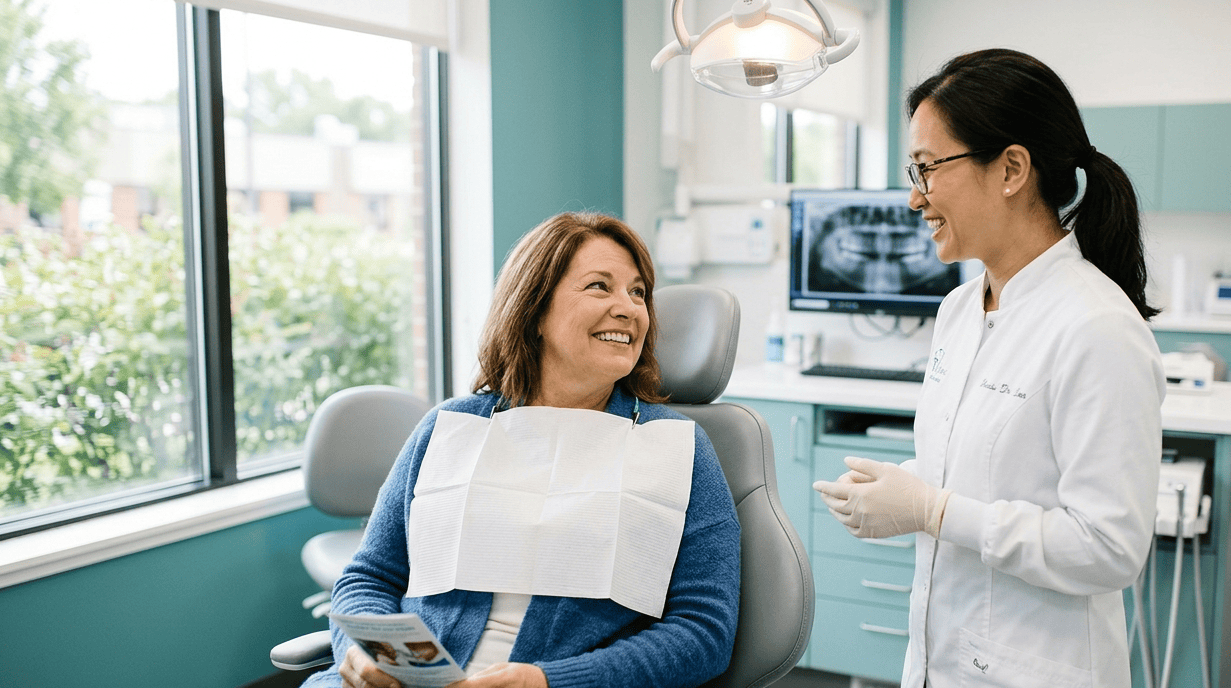
So you have decided to restore your smile with dental implants. That is a big step, and an exciting one. But if you are like most of our patients, one question keeps popping up: what is the recovery actually like?
Here is the good news. Dental implant recovery is usually much easier than people expect. With the right aftercare, most patients are back to their normal routine within a few days. In this guide, we will walk you through the full recovery timeline, what to eat, how to speed up healing, and the warning signs you should never ignore.
How Long Does Dental Implant Recovery Take?
There are really two answers to this question, and understanding both will save you a lot of worry.
The first is the soft tissue recovery, which is what you actually feel. Swelling, tenderness, and minor bruising typically settle down within 3 to 7 days, and most patients feel completely normal within 2 weeks.
The second is the deeper healing process called osseointegration, where your jawbone slowly fuses with the implant post. You will not feel this happening, but it is what makes your implant as strong and stable as a natural tooth root. This process usually takes 3 to 6 months.
What Happens in the First 24 to 48 Hours?
The first two days are the most important part of your recovery. Right after surgery, your body starts forming a protective blood clot at the implant site, and your job is simply to leave it alone.
During this window, you may notice some oozing, mild swelling, and discomfort as the anesthesia wears off. That is completely normal. Here is what helps:
- Bite gently on the gauze your dentist gives you to control bleeding
- Apply a cold compress to your cheek in 15 minute intervals to keep swelling down
- Take any prescribed medication exactly as directed
- Rest with your head elevated and skip the gym for a couple of days
- Avoid rinsing, spitting, or drinking through a straw, since suction can disturb the healing site
What Should You Expect During the First Two Weeks?
Days 3 to 5 are usually the peak of swelling, and from there things improve quickly. By the end of the first week, most patients no longer need pain relievers. If you received stitches, they will either dissolve on their own or be removed at your follow-up visit.
By the two week mark, your gums have typically closed around the implant site and you can return to a mostly normal diet and routine. A quick follow-up exam lets your dentist confirm everything is healing on track.
Why Does Full Healing Take Several Months?
Even though you feel fine after two weeks, your jawbone is still hard at work. Osseointegration is the slow, steady process of bone cells growing onto the surface of the titanium implant and locking it in place.
Rushing this stage is the number one mistake to avoid. Chewing hard foods on a healing implant too early can compromise its stability. Once your dentist confirms the implant is fully integrated, your permanent crown, bridge, or denture is attached, and your new tooth is ready for a lifetime of use.
What Can You Eat While Your Implant Heals?
Your menu matters more than you might think during recovery. For the first few days, stick to cool, soft, nourishing foods:
- Smoothies (eaten with a spoon, not a straw)
- Yogurt, applesauce, and pudding
- Mashed potatoes and blended soups
- Scrambled eggs and soft fish
- Oatmeal and well-cooked pasta
After the first week, you can gradually add firmer foods back in. Just keep chewing away from the implant site and hold off on anything hard, crunchy, sticky, or very hot until your dentist gives you the green light.
How Can You Speed Up Your Recovery?
Your daily habits have a huge influence on how quickly and smoothly you heal. A few simple rules make all the difference:
- Keep it clean. Starting 24 hours after surgery, rinse gently with warm salt water a few times a day, especially after meals
- Brush carefully. Keep brushing your other teeth as usual, just avoid the surgical site for the first few days
- Skip tobacco and alcohol. Both restrict blood flow and are leading causes of implant failure
- Stay hydrated and eat well. Your body needs protein, vitamins, and water to rebuild tissue
- Keep every follow-up appointment. Small issues are easy to fix when they are caught early
Good habits do not stop once you are healed. Routine dental checkups and cleanings are the best long-term insurance policy for your implant and the rest of your smile.
What Warning Signs Should You Never Ignore?
Serious complications are rare, especially when your implant is placed by an experienced specialist. Still, it pays to know the difference between normal healing and a problem. Call your dentist right away if you notice:
- Pain or swelling that gets worse after the third day instead of better
- Bleeding that does not slow down with gentle pressure
- Fever, or pus around the implant site
- A loose or shifting implant
- Numbness or tingling that does not fade
When in doubt, call. A quick phone conversation can tell us whether you simply need reassurance or a same-day visit.
Is Recovery Different for All-on-4 or Full Mouth Implants?
If you are replacing a full arch of teeth with All-on-4 implants, the timeline looks a little different. You leave the office with a fixed set of temporary teeth the same day, so you never go without a smile. The soft food phase lasts longer, usually several weeks, because four implants are sharing the work of a whole arch while they integrate.
Patients undergoing a complete full mouth restoration or choosing snap-on implant dentures follow a similar staged process. Your treatment plan is customized to your bone health, your goals, and your budget, and we walk you through every phase before we begin.
Does Aftercare Add to the Cost of Dental Implants?
Here is a question patients are sometimes shy to ask, and the answer is reassuring. At Precision Dental & Implant Center, routine post-operative visits are built into your implant treatment plan, so follow-up care will not surprise you with hidden fees.
Your main out-of-pocket extras during recovery are small: soft foods, salt for rinses, and over-the-counter pain relievers. Investing a few careful weeks in proper aftercare protects an implant that can last 25 years or more, which makes it one of the best values in dentistry.
People Also Ask
How painful is dental implant recovery?
Discomfort is usually milder than patients expect and peaks in the first 2 to 3 days. Most people manage it well with over-the-counter pain relievers, cold compresses, and rest. Pain that gets worse after day 3 should be checked by your dentist.
What can I eat after dental implant surgery?
Stick to cool, soft foods for the first few days, such as yogurt, smoothies, mashed potatoes, scrambled eggs, and soup. Avoid hot, crunchy, spicy, or chewy foods until your dentist clears you to return to a normal diet.
Can I smoke after getting a dental implant?
Smoking is one of the biggest causes of implant failure because it restricts blood flow and slows healing. Avoid smoking for at least 2 weeks after surgery, and ideally until the implant has fully fused with your bone.
Your Smile Deserves Expert Care from Start to Finish
Recovery is not just about what you do at home. It starts with precise implant placement by a specialist who plans your case down to the smallest detail. Dr. Reza Edalati and the team at Precision Dental & Implant Center in Kenner guide you through every step, from your first consultation to your final crown and beyond.
Thinking about dental implants, or have questions about an upcoming procedure? We would love to help. Call Precision Dental & Implant Center at (504) 469-1551 to schedule your consultation today.

Related posts

Popular Posts

Do You Need a Dental Crown? Types, Cost, and What to Expect